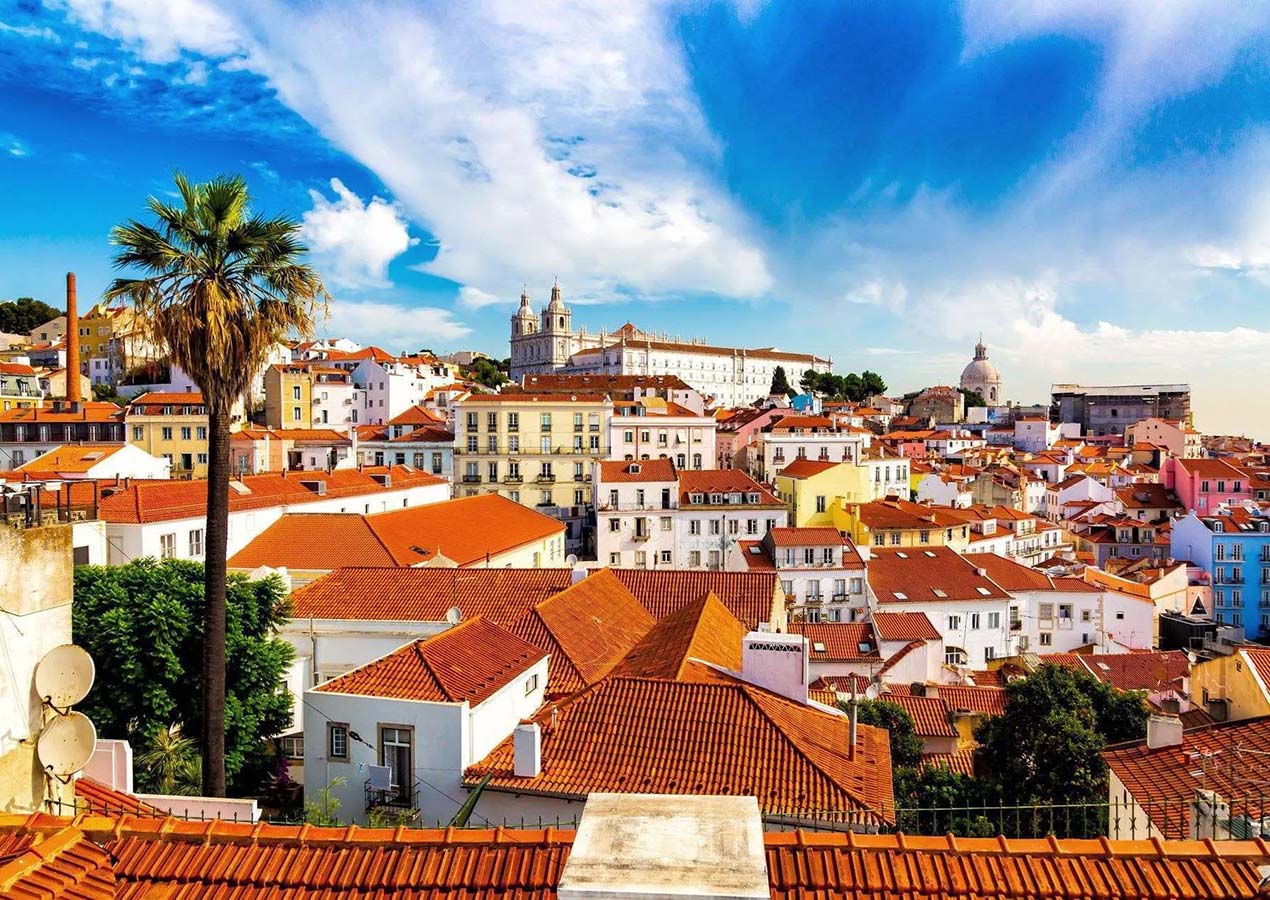
Spain’s northwestern region holds a distinctive cultural and culinary identity, shaped by rugged coastlines, misty forests, and an enduring Celtic legacy. Within this landscape, the city of Ourense emerges as a jewel often overlooked by hurried travelers bound for Santiago or Vigo. Yet, Ourense offers not only hot thermal springs and Roman bridges, but also a dining experience rooted in Galician tradition—earthy, humble, and astonishingly rich in flavor.
1. The Spirit of Galicia on a Plate
Ourense sits at the heart of Galicia, a region whose cuisine is inseparable from the rhythms of its land and sea. Rain-fed pastures yield robust dairy, dense forests shelter chestnuts and wild mushrooms, while rivers and estuaries provide an endless bounty of seafood. The Galician kitchen, or “cociña galega,” places flavor and substance above artifice. Meals are slow, generous, and layered with the memories of generations.
Here, eating is not simply nourishment. It is a ritual, a gathering, a reaffirmation of family and tradition. Restaurants, taverns, and pulperías alike maintain a respect for time-honored recipes, many passed down orally, some found only in the crumbling pages of local cookbooks. Each dish offers a glimpse into the Galician soul.
2. Pulpo a la Gallega: Octopus, the Star of the Table
Any culinary journey through Ourense must begin with its most iconic dish: pulpo a la gallega, or Galician-style octopus. In this ancient preparation, octopus is boiled until tender, sliced with ritual precision, and drizzled with olive oil, coarse salt, and sweet Spanish paprika (pimentón). The simplicity belies its complexity—texture must be just right, neither rubbery nor mushy. The seasoning should enhance without overpowering.
The dish is served on wooden platters, traditionally accompanied by boiled potatoes (cachelos) that absorb the smoky oil. Locals often pair it with a young Albariño or Ribeiro wine, adding a sharp, fruity note to the dish’s savory depth.
While many cities boast modern interpretations, Ourense preserves its authenticity. Visit Pulpería Asador O Bodegón in the old town for a timeless rendition, where the octopus is cooked in copper cauldrons just as it has been for generations.
Online reservations can be made via platforms like ElTenedor (also known internationally as TheFork), which offers user reviews, booking discounts, and availability in real-time.
3. Empanada Gallega: A Crust of History

The Galician empanada predates many New World versions. In Ourense, it is ubiquitous—found in markets, bakeries, and bar counters. This is not the handheld pastry familiar to many, but a grand pie meant to feed families. Its dough is soft yet sturdy, made with lard or olive oil, and filled with tuna (bonito), sardines, or pork, often mixed with slow-cooked onions, peppers, and tomatoes.
Each town—and sometimes each household—boasts its own variation. Try Empanadas Ourensanas, a family-run bakery near Praza Maior. Their seasonal wild mushroom and chorizo empanada is particularly memorable, marrying earthy and spicy notes in perfect balance.
To secure fresh daily specials, consider using Glovo or Uber Eats, which now include local Galician bakeries and delis on their platforms, allowing for quick delivery or pickup.
4. Lacón con Grelos: A Winter Heirloom
One of Galicia’s most comforting dishes, lacón con grelos, brings together cured pork shoulder (lacón), turnip greens (grelos), chorizo, and boiled potatoes. The saltiness of the pork mingles with the bitterness of the greens and the soft starchiness of the potatoes, creating a warming, layered dish that defines winter dining in Ourense.
Though rooted in colder months, many restaurants serve it year-round. Seek out Casa do Pulpo near the Rúa do Progreso. Their rendition is slow-cooked and served steaming, ideal with a crust of bread and a glass of Mencía red wine from nearby Ribeira Sacra.
Because the dish requires long preparation, pre-booking is essential. Restaurantes.com offers a selection of Ourense eateries that allow you to reserve and even view daily menus.
5. Caldo Galego: The Broth of the Mountains
The Galician soup, caldo galego, is not merely an appetizer but a declaration of the region’s soul. It combines grelos, potatoes, white beans, and small bits of chorizo or lardons, simmered in a hearty broth that smells of hearth and heritage.
In Ourense’s countryside taverns, it is served in steaming clay bowls, often followed by stewed meats or grilled fish. For an elevated experience, dine at A Taberna, where the chef adds smoked paprika oil to the broth, enhancing the rustic smokiness.
During autumn and winter, caldo galego appears on nearly every menu. TripAdvisor-linked booking tools help in selecting rural restaurants where this dish shines brightest.
6. Tarta de Santiago and the Sweet Side of Galicia
No Galician meal ends without tarta de Santiago, a dense almond cake bearing the imprint of the Saint James cross in powdered sugar. Though found throughout Spain, the best versions use Marcona almonds and a whisper of lemon zest or orujo, the region’s fiery grape liqueur.
In Ourense, the most beloved versions come from Confitería Milhojas, a fourth-generation pastry shop. Their tarta is moist without being heavy and perfectly balanced in sweetness.
Many bakeries allow pre-ordering through Too Good To Go, a sustainability-focused app that also grants access to traditional sweets nearing their sell-by date—ideal for travelers looking to sample without waste.
7. Pimientos de Padrón: Small Peppers, Big Surprise
Though not exclusive to Ourense, these small green peppers are a staple on local tapas menus. Most are mild, but the occasional pepper delivers a fiery punch—a gastronomic gamble that adds delight to the experience.
Grilled in olive oil and dusted with salt, they are best enjoyed at Bar Orellas, known for their generous portions and high-quality produce sourced from nearby Padrón farms.
Reservations are not strictly required, but platforms like ElTenedor can help secure a table during weekends and local festivities.
8. Mariscos: Shellfish from the Atlantic
Few regions match Galicia in the quality and variety of shellfish. Ourense, despite being inland, benefits from daily deliveries from coastal markets. Razor clams (navajas), cockles (berberechos), mussels, and scallops (vieiras) dominate seafood platters.
Look for Marisquería A Portela, a refined yet affordable seafood restaurant. Their scallops grilled in shell with garlic-parsley butter reflect the elegance of Galician maritime cuisine.
For a curated seafood experience, apps like Goxo—a regional platform—offer seafood samplers delivered from top-tier suppliers, many with wine pairings.
9. Queso Tetilla and Other Galician Cheeses
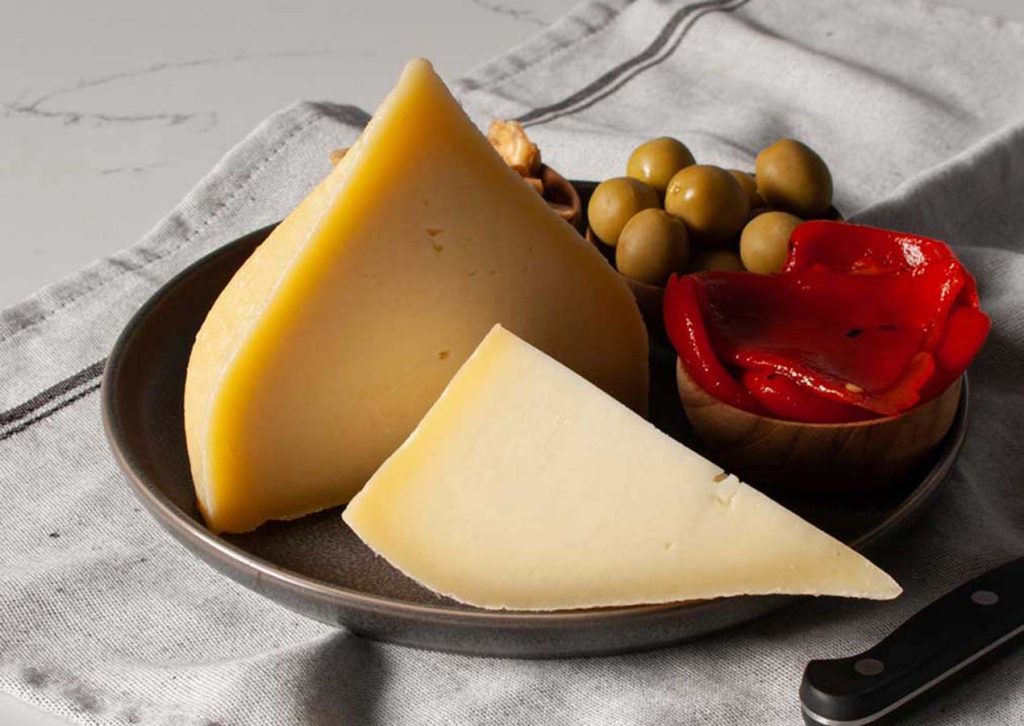
Tetilla cheese, with its soft, creamy texture and gentle acidity, is a PDO-protected delight named for its breast-like shape. In Ourense, it is served with quince jelly (membrillo) or local honey.
A visit to Mercado de Abastos de Ourense offers a wide range of regional cheeses: San Simón da Costa (smoked and firm), Arzúa-Ulloa (buttery and mild), and O Cebreiro (a curdy cheese with a sour tang).
Cheese-focused tapas bars like Taberna do Perico allow diners to try flights of regional cheeses alongside artisanal bread and homemade jams.
10. Churrasco: Galicia’s Grilled Legacy
Galician churrasco, typically pork or beef ribs grilled over open flame, rivals the best of Argentina. Marinated in garlic, oregano, and olive oil, the meat is smoky, tender, and irresistibly savory.
Orellas do Porco, a countryside grillhouse outside the city, serves it with fries, salad, and pan de millo—cornbread that soaks up the juices beautifully. Pair with a cold Estrella Galicia beer.
TheFork and ElTenedor both provide weekend booking options, with live updates on outdoor seating availability.
11. Filloas: Galicia’s Answer to Crêpes
These thin pancakes, similar to French crêpes but made without sugar, can be filled with cream, chocolate, or chestnut purée—or simply dusted with sugar and lemon juice.
A seasonal favorite during Carnival and Holy Week, filloas also appear on dessert menus throughout the year. A Lareira, a rustic tavern near the Miño river, offers an indulgent version filled with nata montada (whipped cream) and a drizzle of honey.
For those staying in private accommodations, delivery through Just Eat provides access to local patisseries and traditional dessert makers.
12. Wines of the Ribeiro: A Terroir to Remember
Ourense is a gateway to the Ribeiro wine region, one of Spain’s oldest. The vineyards cluster around the Miño, Arnoia, and Avia rivers, producing whites from Treixadura and Godello grapes that are crisp, mineral, and slightly saline.
Many restaurants in Ourense maintain extensive Ribeiro cellars. Vinoteca Sybaris 2.0 offers over 200 regional wines, with tasting menus that pair each course.
Winery visits can be organized through platforms such as Wine Tourism Spain, which curates tours with local producers, often including meals and transportation.
13. Orujo: The Spirit of Celebration
Distilled from the grape pomace left behind after winemaking, orujo is a potent eau-de-vie with variants infused with herbs (hierbas), coffee, or cream. Its role in Galician culture is ceremonial as much as gustatory.
After a heavy meal, a small glass of orujo is often offered by the host as a digestive and gesture of hospitality. The most artisanal varieties can be sampled at Taberna San Miguel, where the bartender might perform the ritual of queimada, a fire-lit punch with incantations said to ward off evil spirits.
Bottles can also be purchased via Vivino or Decántalo, which ship within Spain and offer tasting notes for the curious.