1. Arrival in Ourense: A Place That Doesn’t Shout, It Whispers
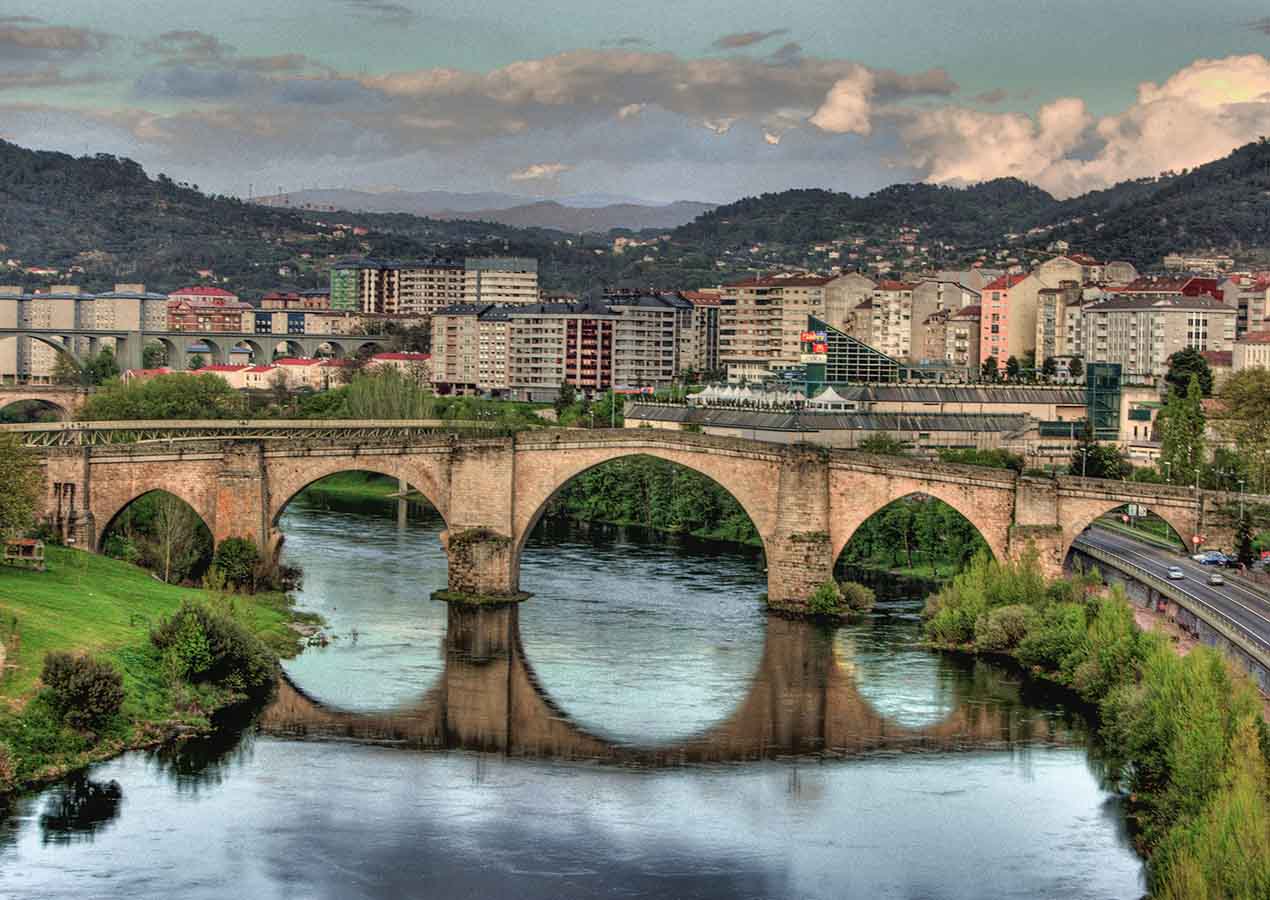
Touching down in Ourense doesn’t bring a blare of horns, selfies in front of overrun tourist spots, or the stampede of bucket-listers hunting their next Instagram trophy. No. The city greets with a subdued grace, like an old friend who doesn’t need to prove anything. Roman roots, thermal springs, winding lanes of granite—there’s an immediate calm in the air. Streets curve and rise like a gentle pulse. Here, one doesn’t rush; one wanders.
My accommodation was tucked along a cobblestone alley near the Praza Maior. A converted stone townhouse, draped in ivy, with a balcony that seemed designed not for utility but for poetry. Luggage dropped, boots laced, water packed—I stepped out. The goal: not the city’s famous As Burgas hot springs or the Roman bridge, but the verdant, lesser-trodden paths that lace the outskirts. Trails with more birdsong than chatter. Footpaths where time, like the rivers, flows without urgency.
2. Trail One: From Outskirts to Outburst – The Montealegre Forest Park Loop
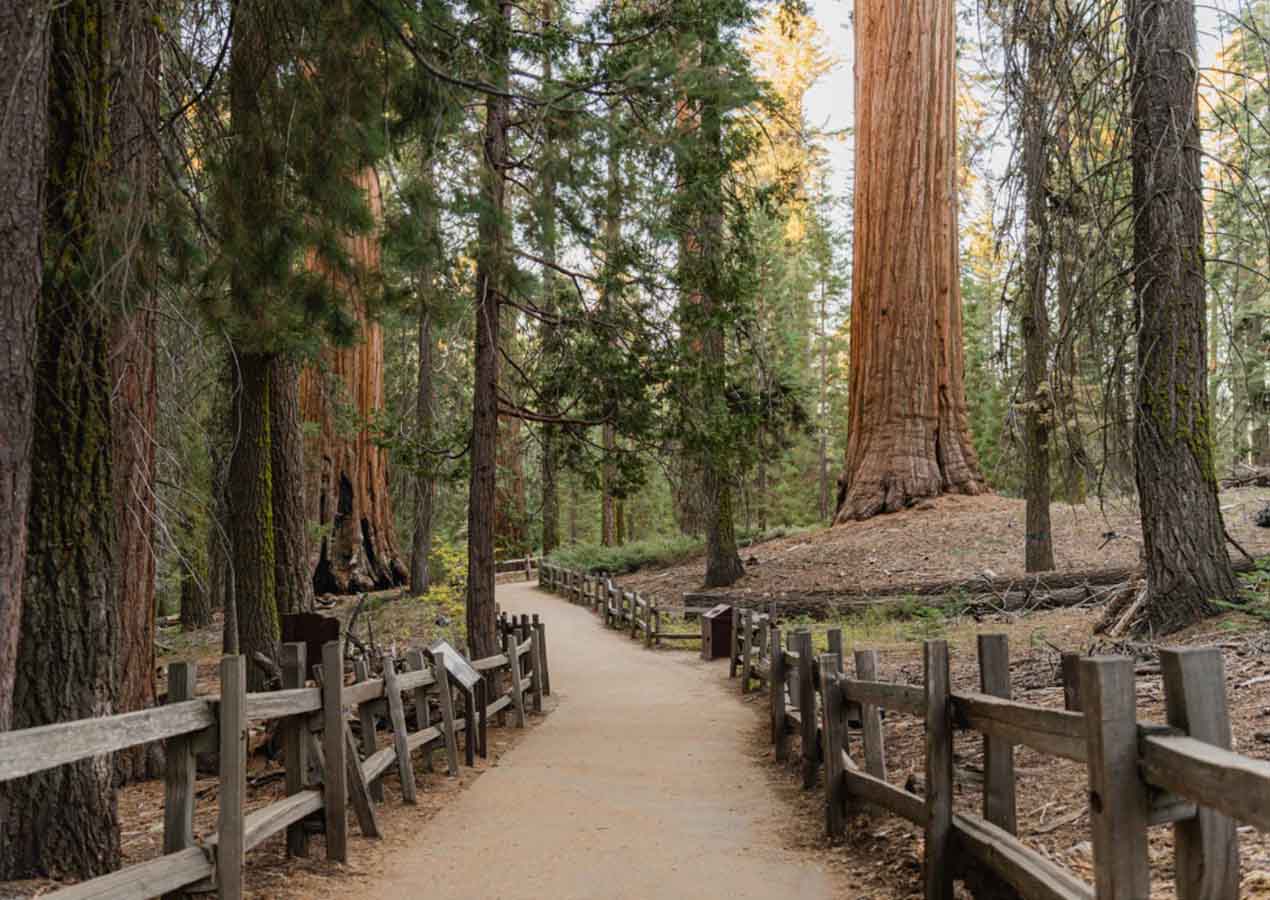
Montealegre Park sits northeast of the city center, about a 30-minute uphill walk. The ascent isn’t punishing, but it does whisper promises. Wild rosemary tangles the air. The city noise dissolves like steam. Entering the park, one notices the sudden shift in tone: the chatter of leaves in a coastal breeze that isn’t there, the scatter of rabbits darting out of undergrowth, and the strangely comforting crunch of gravel under boots.
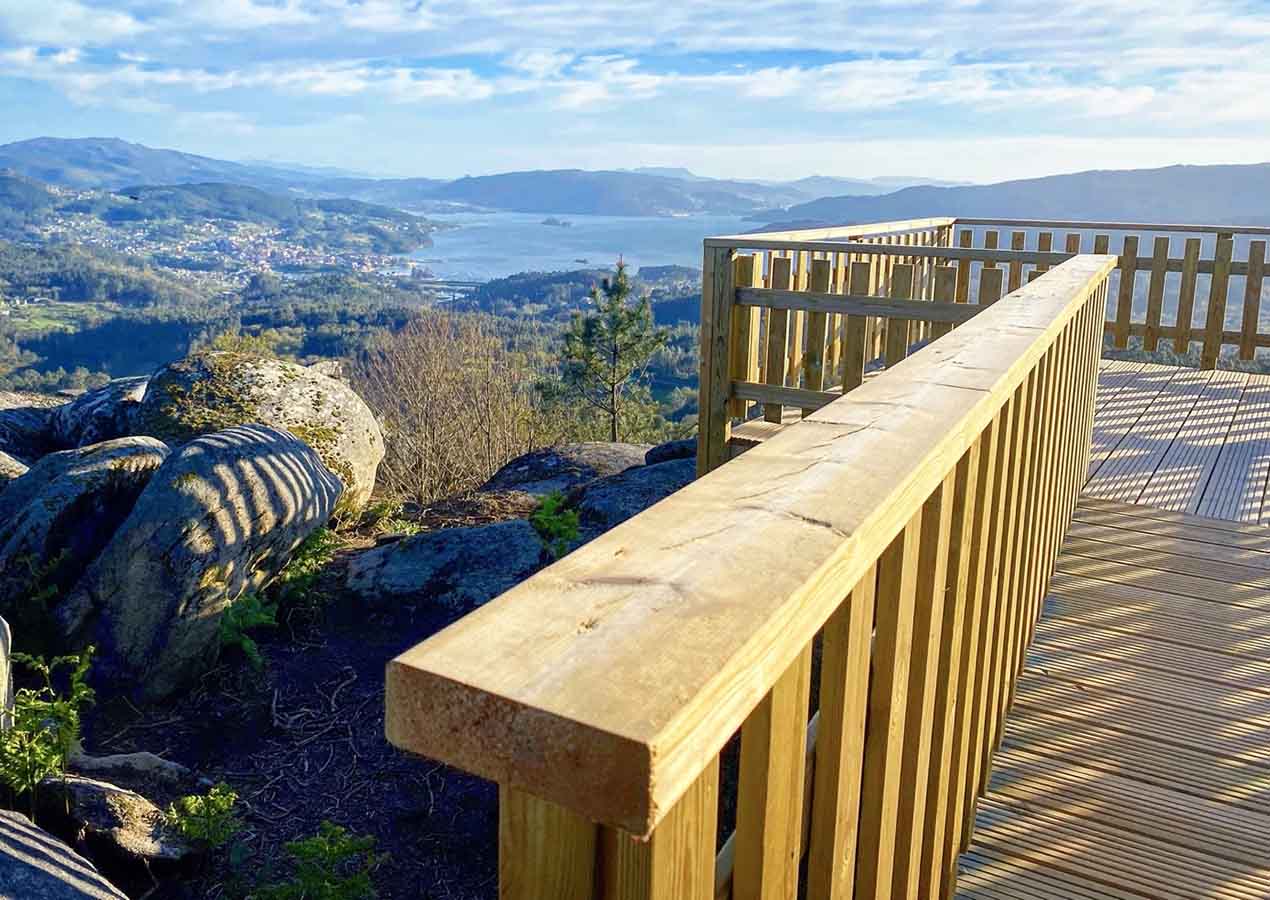
The trail winds through pine, oak, and chestnut, interspersed with informational placards that try their best to be enthusiastic in multiple languages. There are panoramic viewpoints that catch the city in a glassy stillness. At one such mirador, the city spread like a quilt of terracotta and green, I paused to breathe—not from exertion, but from awe.
The route forms a satisfying loop—neither too long to exhaust, nor too short to disappoint. Along the way, I met only three hikers, one dog, and a wild-eyed cat that refused to acknowledge my existence. The silence was a companion rather than a void.
3. Into the Canyon: Walking the Ruta del Cañón del Sil
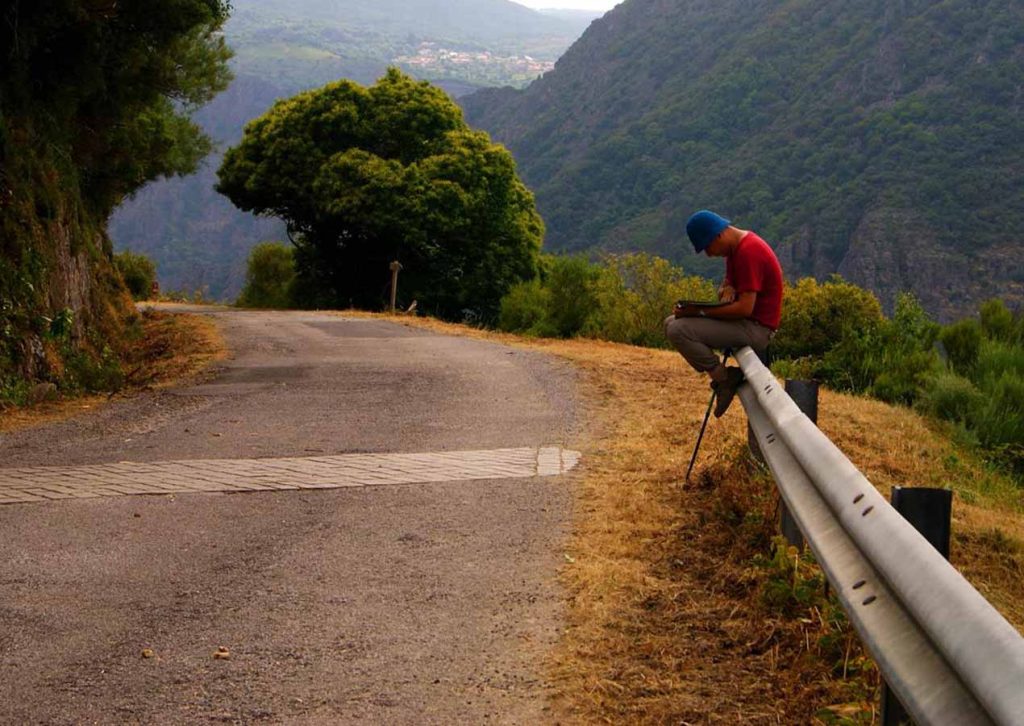
To the north of Ourense, a roughly 45-minute drive leads to the Ribeira Sacra region. Here lies the Sil Canyon, where cliffs drop like cathedral walls into riverbeds so still they appear painted. The route I followed began near the Monastery of Santa Cristina de Ribas de Sil, a Cistercian monument draped in moss and mystery.
The trail plunges immediately into chestnut groves, winding along old pilgrim paths. Footing is loose in places, and the dampness hangs in the air like an old tale—half-remembered, half-invented. Every few kilometers, the trees part to reveal the canyon, where the river cuts through the landscape like a blade. Vultures spiral overhead, not menacing but majestic.
The path led to a mirador where cliffs form a U-shape around the glimmering river. Standing there, with wind tugging at sleeves and no one else in sight, the world seemed narrowed to the sound of water and wind. It’s a trail that demands sturdy boots and sturdy silence.
Descending back through terraced vineyards—some carved by hand centuries ago—I passed a farmer tending vines as gnarled as the hills. He nodded once, said nothing, and turned back to his work. In that moment, words seemed insufficient.
4. The Thermal Waterside Walk: From Outariz to Chavasqueira
There’s a different rhythm in walking by water. The Miño River, flowing lazily through Ourense, carries with it a heritage both natural and Roman. This particular path begins at the Outariz thermal pools and follows the riverbank past bubbling hot springs, wooded groves, and several footbridges that span the shimmering current.
The walkway is paved for the most part, but detours into forest paths are frequent—and welcome. Birds hop nervously across the trail, then vanish into underbrush. The scent of eucalyptus blends with mineral-rich steam from the springs. Few places on earth allow one to hike and soak within the same afternoon without pretension or fees.
Wooden signage along the trail points not only to pools but to historical markers. One such sign led to an old mill ruin, overgrown yet intact enough to imagine its past life. The trail eventually arrives at Chavasqueira, another cluster of thermal baths, with rocky banks perfect for sitting, writing, or simply absorbing sunlight like a lizard on holiday.
There’s something timeless in this path. Each step seems less like travel and more like return. The river, like memory, never asks to be understood—only followed.
5. Up to Castro de Santomé: Layers of Earth and Time
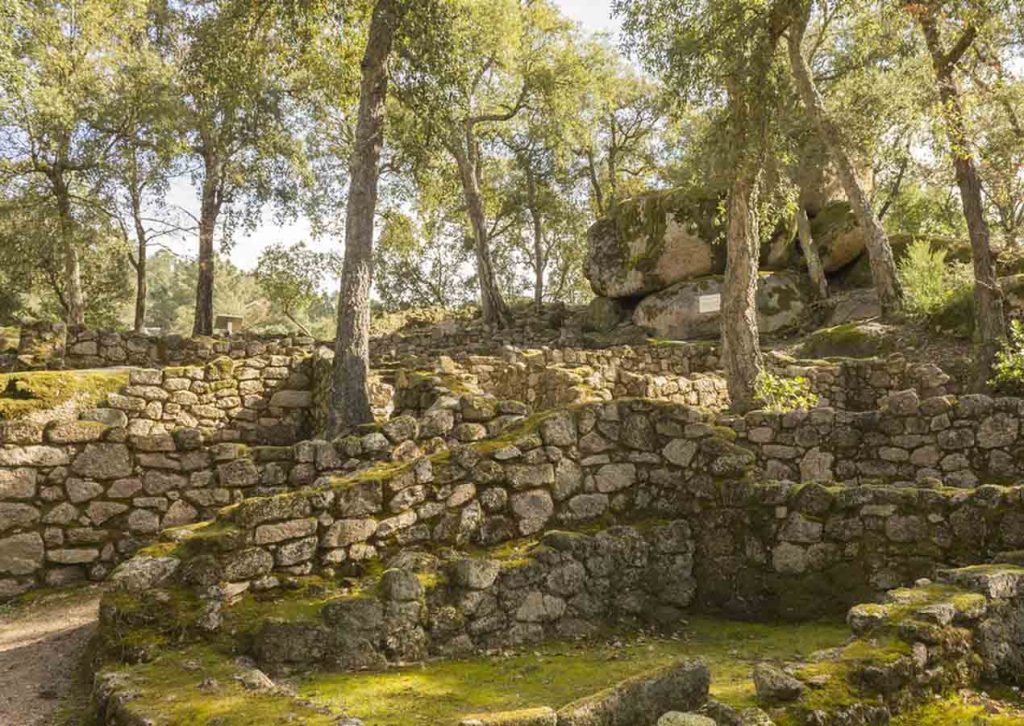
Just southwest of the city, the hill of Santomé rises like a quiet guardian. At its summit lies a castro—a pre-Roman settlement nestled within woods that seem older than language. Getting there requires a moderate hike along a gravel road that threads through farmlands and oak woods.
The air here carries a crispness distinct from the valley. The ascent isn’t difficult, but it’s unrelenting. Each turn reveals glimpses of the valley below, framed by pine and silence. Reaching the castro, the ground opens into ruins—stone outlines of circular dwellings, hints of hearths, traces of roads. There’s no souvenir shop, no line of tour buses—just wind and stones.
A small museum sits adjacent to the site, closed when I arrived, which felt appropriate. The interpretation lies in the land itself. Touching the stones, one feels less the weight of history than its breath. It’s a place where the earth speaks slowly.
Descending the hill, I took a detour through a forest path not marked on any map. Roots coiled like questions. Light filtered through leaves with the warmth of stained glass. No wrong turns here, only alternate stories.
6. Trail Along the Embalse de Cachamuíña: The Reservoir’s Quiet Shore
East of the city, past the small village of Cachamuíña, a reservoir sits cupped in the hills. I discovered it through a tip from a local café owner who scribbled the name on a napkin and handed it over without explanation. That napkin turned out more useful than any brochure.
The trail follows the reservoir’s edge, alternating between narrow dirt tracks and wider gravel roads. Along one section, a series of stepping stones crosses a narrow stream. Another path dips into thickets where blackberry bushes clawed at my sleeves like overzealous tour guides.
Dragonflies hovered like sentries. The only sounds were birdcalls and the occasional plop of a frog launching itself heroically into the water. A wooden bridge midway offered a place to rest and observe the stillness. Reflections on the water made the sky seem upside down.
Midway through, I encountered a group of children on a school outing, all shrieking and tumbling like cheerful chaos. They passed, and the silence returned. Even joy has an echo here.
7. Into the Clouds: The Serra do Xurés Trails
Further afield, west of Ourense and brushing the Portuguese border, the Serra do Xurés Natural Park sprawls across a mountainous expanse where wolves, wild horses, and weather share the same address. I began at the village of Lobios, where maps are still drawn by hand and trail markers often appear only when you stop looking for them.
The trail I chose led upward, across ridges veiled in mist. The terrain shifted from grassy meadows to granite outcrops. At higher elevations, the wind carried the scent of rain before any cloud appeared. Highland cows stared as I passed—judgmental but polite.
A waterfall named A Fecha da Carballa revealed itself only after a steep descent through tangled ferns. Its waters fell like spilled silver, and the basin below was as clear as thought. Resting there, boots damp and face flushed, the landscape unfolded around me—not as a backdrop, but as a presence.
The path looped back along an old Roman road, its stones smoothed by centuries of feet. It’s humbling to walk where empires once did, to step in the rhythm of forgotten processions. Not a reenactment, just a continuation.
8. A Night Beneath the Pines: Wild Camping by the Rio Arnoia
Permission granted by a local ranger, I spent one night along the Rio Arnoia, pitching a simple tent under a canopy of pine. The trail here was gentle, winding through meadows where wildflowers bloomed with a kind of defiant softness. The river accompanied, murmuring not loudly, but constantly.
Dinner was modest—bread, cheese, fruit—and tasted better than many a plated masterpiece. A deer passed nearby during dusk, its eyes reflecting the last light like polished obsidian. I lay back, watching stars gather one by one like memories.
That night, sleep came not as an escape but as an arrival. There is something ancient in waking to birdsong and the smell of dew. Something that asks no commentary, only attention.