1. Arrival in the Heart of Galicia
Cobblestone streets glistened under the soft drizzle of a Galician morning as the train slowed to a stop in Ourense. The city, nestled in the rugged inland hills of northwestern Spain, is often bypassed by the hurried traveler. Yet, beneath its quiet exterior lies a treasure trove for those who value authenticity, especially in matters of food and drink.
Ourense is a city shaped by time, thermal waters, and the grapevine. Not merely a transit point or a provincial capital, it is a living expression of Galicia’s resilient culture. It pulses with old-world charm, where stone colonnades meet warm tavern windows, and slow mornings give way to languid afternoons scented with roasted chestnuts and the minerality of rain-soaked earth.
Amid this sensory feast, one pleasure holds a special allure: Galician wine. In Ourense, wine is not simply consumed—it is lived. To visit this city without exploring its wine shops would be to miss a vital note in the melody of the region.
2. The Landscape Behind the Label: Understanding Galician Wine
Before venturing into the shops, understanding the origins of what sits on their shelves offers a richer experience. Galician wine is not homogenous; it is defined by microclimates, native grape varietals, and centuries of viticultural tradition.
Ourense is the gateway to four of Galicia’s five Denominaciones de Origen (D.O.): Ribeiro, Ribeira Sacra, Valdeorras, and Monterrei. Each one embodies a unique marriage of terroir and technique.
- Ribeiro, located just west of the city, produces wines shaped by the humid Atlantic breeze and the confluence of three rivers. White wines here, especially those based on Treixadura, exhibit floral and citrus notes with refreshing acidity.
- Ribeira Sacra, to the north, clings to vertiginous slopes above the Sil River. Its Mencía-based reds are complex, mineral-driven, and reminiscent of Burgundy in both structure and soul.
- Valdeorras, eastward toward León, is home to Godello—a white grape that can rival Chardonnay for depth and elegance.
- Monterrei, further south and less known, produces wines of striking clarity and potential, particularly Godello and Mencía.
Each bottle from these regions is not merely a beverage but an expression of the hills, rivers, and human hands that shaped it.
3. First Impressions: Window-Front Temptations
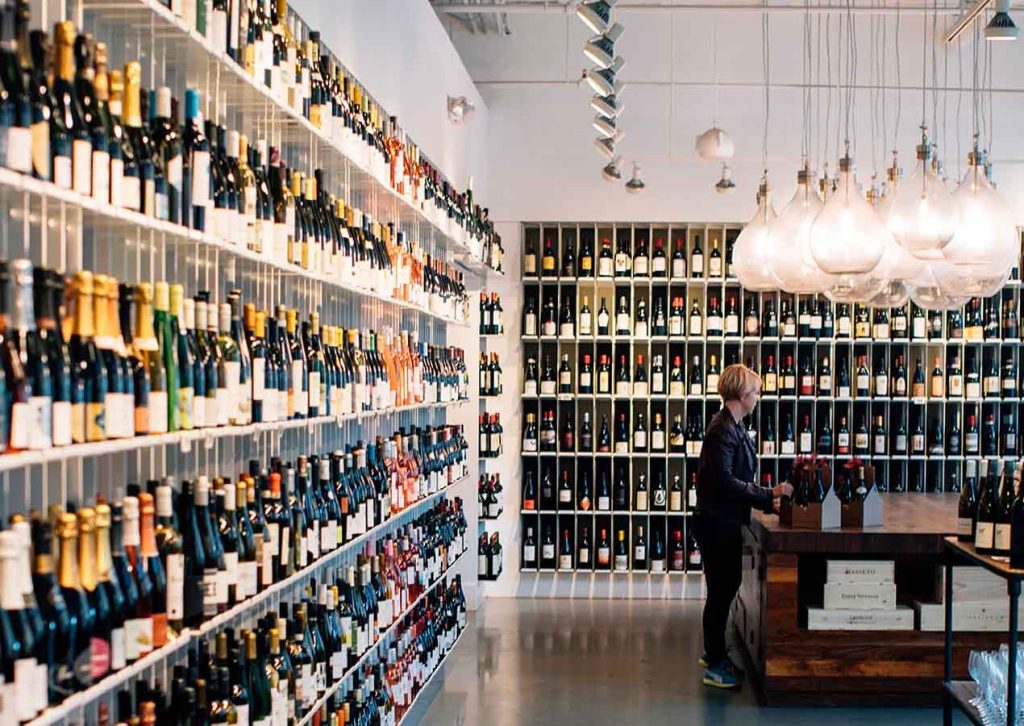
The walk through the city center is marked by glass-front boutiques and old grocers converted into boutique wine emporiums. Wooden shelves reach high, filled with dark green and amber bottles whose labels speak in the script of local artisans. Some are elegant and minimal; others feature abstract swirls or rustic illustrations that echo Galician folklore.
Pausing in front of one shop—Vinoteca A Costureira, located on Rúa da Paz—the faint scent of cork and oak wafted even through the door. The interior revealed more than a curated selection; it was a gallery of viticultural craftsmanship.
4. Vinoteca A Costureira: Artistry in Selection
Inside, the shop exuded reverence for wine. Cool ambient lighting and unvarnished pine shelves created a meditative space for browsing. The proprietor, a woman in her fifties with the quiet authority of a seasoned sommelier, greeted visitors with a knowing smile.
Here, Ribeiro wines were prominent. Bottles from Coto de Gomariz, Viña Mein, and Casal de Armán stood proudly. Each had been selected not just for name recognition but for the story behind it.
She pulled a bottle of Coto de Gomariz Colleita Seleccionada from the shelf, cradling it as one might an old manuscript. “Treixadura, Loureira, Godello. Grown on granite. Fermented in steel. A wine of silence,” she said. With a hint of irony, she added, “Meaning you won’t want to talk too much while drinking it.”
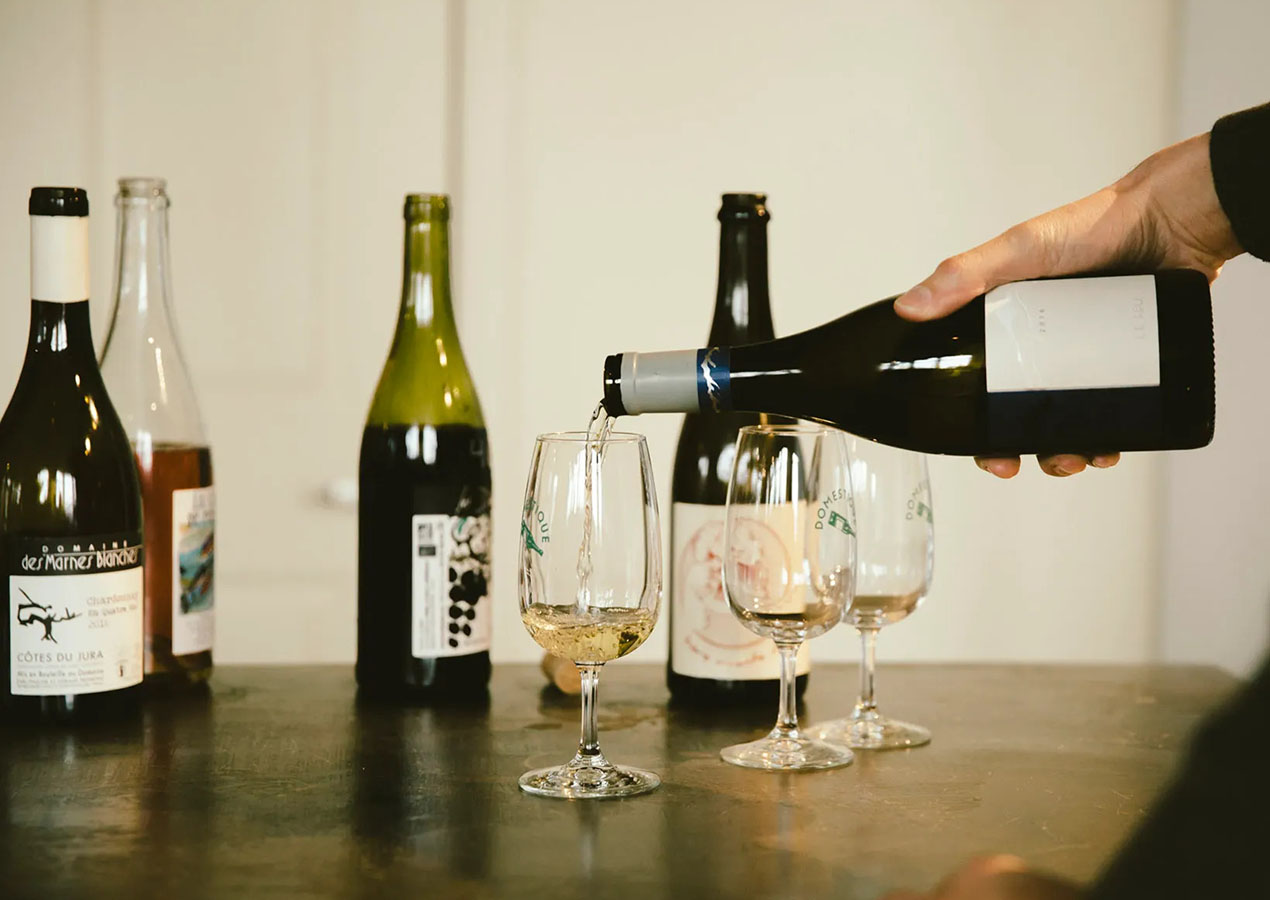
Tasting was available. A small corner table with polished copper spittoons and crusty pan Gallego awaited those who wished to linger. Sipping revealed layers: honeysuckle, pear, bitter almond. The kind of wine that makes the noise of the world seem like static.
5. Vinoteca El Lagar: An Education in Mencía
A short walk south along Rúa Santo Domingo led to another gem: El Lagar, a slightly more contemporary space with minimalist design and shelves arranged by elevation rather than region. Here, altitude was the lens through which wine was understood.
The owner was an aficionado of Ribeira Sacra, and his passion for Mencía bordered on the evangelical. “This grape,” he began, gesturing toward a bottle from Guímaro, “was once seen as rustic. Now it’s our answer to Pinot Noir.”
He poured a taste of Guímaro Finca Meixeman, a single-parcel wine aged in large oak vats. It opened with wild cherry and forest floor, followed by crushed stone and a whisper of smoke. This was a wine of both poetry and geometry—angular yet soft, rooted yet free.
Next came Dominio do Bibei, one of the most ambitious estates in the region. Their Lalama, a blend of Mencía with Garnacha Tintorera and other native grapes, was muscular, brooding, and elegant. This was no easy-drinking red; it demanded time, silence, and perhaps a roasted leg of lamb.
6. Conversations Over Corks: Tales from the Shopkeepers
The people behind these counters were more than retailers—they were archivists, curators of cultural memory. They spoke not only of harvests and fermentation methods but of weather patterns, local myths, and political histories.
One shopkeeper recounted the post-Franco resurgence of Galician winemaking. “For decades, these valleys were neglected. Young people left. But now they return, planting old vines, making honest wines.”
Another mentioned the rise of biodynamic methods. “The moon matters. The soil breathes. Our best wines listen.”
These were not rehearsed marketing lines but beliefs carried through generations. The sincerity was palpable, like a handwoven textile passed from parent to child.
7. Boutique Finds: Wines That Never Cross the Border
Some shops offered wines rarely seen beyond Galicia’s borders. At Vinos con Historia, a quaint nook near the Cathedral, there was a section labeled “Só Aquí” (Only Here). It featured wines from producers with fewer than 3,000 bottles a year, often without websites or distributors.
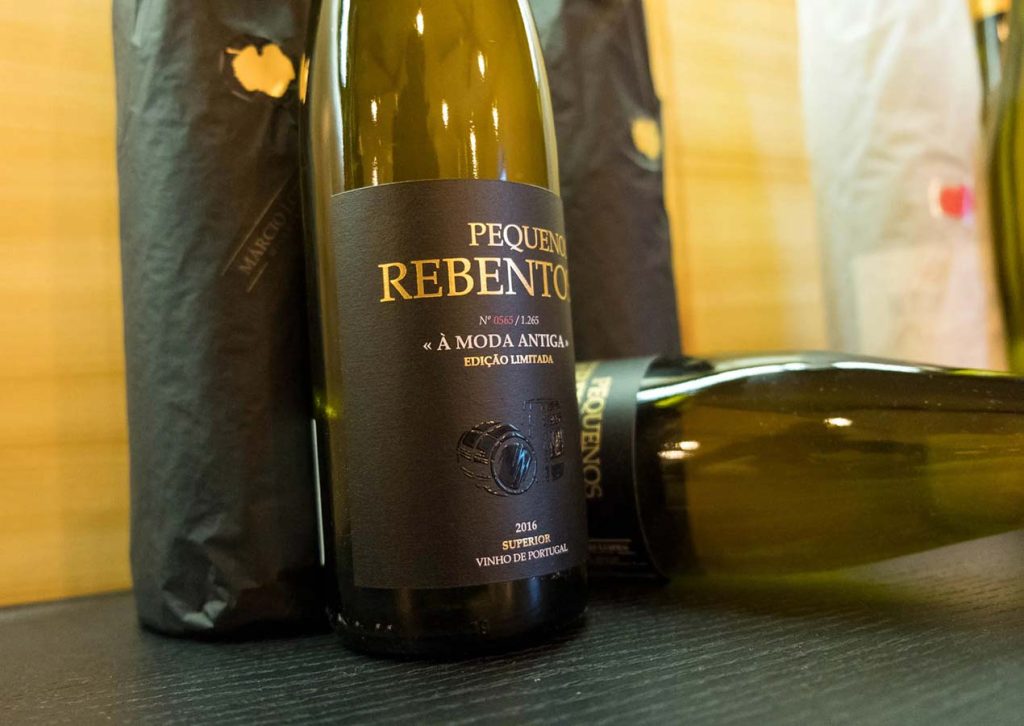
A bottle of Pequenos Rebentos Brancellao stood out. An obscure varietal aged in clay amphorae, it smelled faintly of cranberry and wet earth. A wine that felt like a whispered secret between friends.
Another was O Cabalín Palomino, made from pre-phylloxera vines. The label was hand-drawn, the cork sealed with wax. It tasted like lemon peel, hay, and the kind of melancholy one might feel reading old love letters.
These were not wines to collect—they were wines to remember.
8. Packaging the Essence: Choosing the Bottle to Bring Home
The decision of what to carry back was not one of price or prestige. It was a choice shaped by emotion, geography, and the memory of scent and taste.
Some bottles were destined for sharing with friends over stories of travel. Others would be uncorked during a quiet evening, perhaps months later, to summon the fog-draped hills of Ourense and the voices of those who know its land.
A bottle of Godello from Rafael Palacios, perhaps. Or a Ribeiro from Emilio Rojo. Or a rustic red from Laura Lorenzo’s Daterra Viticultores, imbued with the chaos and grace of the region itself.
9. The Ritual of Departure
The wine was wrapped carefully—newspapers in Galician, cotton padding, and firm boxes. Each bottle bore more than a label; it carried hours of walking, talking, and tasting. It held the laughter of strangers and the knowledge of place.
Outside, the drizzle had turned to mist. The city moved slowly, as if respecting the weight of what had been chosen. In the plaza, old men played cards under awnings, and the scent of grilled pulpo drifted through the air.
No farewell was needed. The wine would speak when opened.
10. Hidden Cellars and Lesser-Known Treasures
Ourense holds more than storefronts. Hidden beneath restaurants and family homes are cellars that double as private tasting rooms. These are accessed through invitation, a wink from a waiter, or a word passed from shopkeeper to guest.
In one such cellar, carved into stone and lit by candlelight, wines from micro-vintners were poured from unlabeled bottles. The hosts spoke Gallego, the regional language, and poured without explanation. Only the wine spoke.
It was here that a Tintilla do País, nearly extinct, made an appearance. Light, fragile, but with a core of iron. A wine like the region itself—unassuming, enduring, essential.
11. Returning with Reverence
The train pulled away from Ourense with a soft rumble, carving its path through valleys of mist and vines. The bottle nestled in the suitcase was more than fermented grape. It was a vessel of memory, of encounter, of understanding.
In a world of rapid movement and digital immediacy, to carry something back—physically, lovingly—is a quiet act of resistance. To choose a bottle from a corner shop in Ourense over a duty-free selection is to say: this place mattered.
And when the cork is drawn, when the wine breathes, when it touches the glass with golden or garnet hue, it will be as if the city itself were whispering across time and space.