1. The Enchanted Markets of Pontevedra: Where It All Begins
Every cobblestoned alleyway in Pontevedra seems to whisper stories of old—tales of maritime glory, Celtic rituals, and centuries of artisanal mastery. Wandering into the local markets and specialty shops of this charming Galician town is not merely an act of shopping, but a cultural immersion. The region’s connection to the land and sea is immediately evident in the products displayed on every wooden shelf or earthen counter. A simple purchase becomes a bridge to Galicia’s past and a vessel of its enduring spirit.
Local markets such as Mercado de Abastos are vibrant meeting places where the soul of the town breathes. The scents of cured meats, aged cheeses, and fresh shellfish mingle in the air with the melodic cadence of the Galician language. Here, one discovers the tangible essence of this Atlantic region—flavors, textures, and traditions meticulously preserved and packaged, ready to become keepsakes of a journey through Pontevedra.
2. Galician Cheese: A Culinary Pillar Cast in Cream and Culture
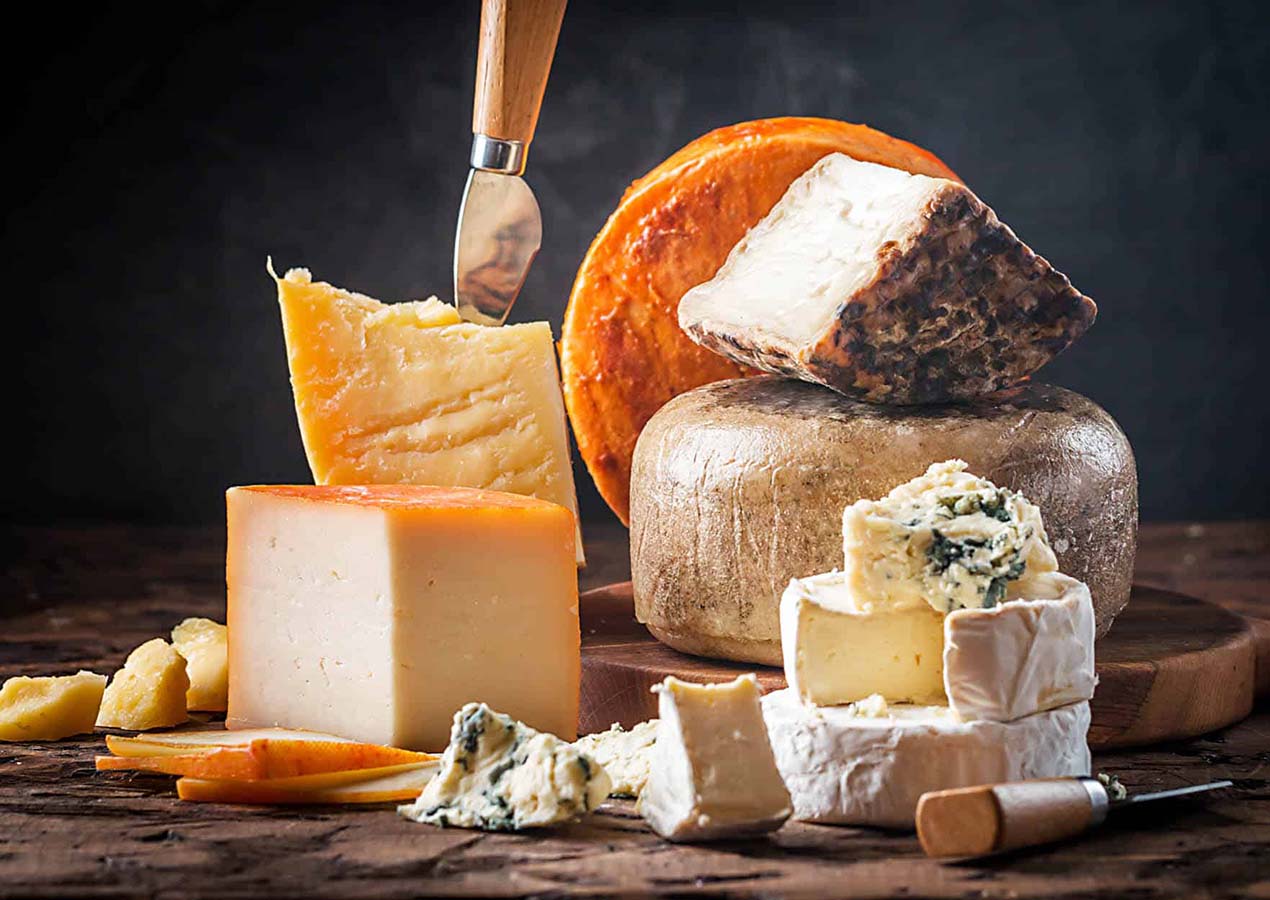
Among the most revered culinary treasures of Galicia is its cheese. Rich, diverse, and steeped in agricultural tradition, Galician cheeses are a non-negotiable item to take home. The most iconic among them is Queixo Tetilla, a soft, creamy cow’s milk cheese shaped like a woman’s breast—a nod to its name, “tetilla,” meaning “little breast.” With its delicate, slightly tangy flavor and melt-in-your-mouth texture, it is a culinary symbol of the region and a favorite among locals.
In contrast, San Simón da Costa, a smoked cheese made in the Lugo province, offers a heartier, more robust taste. Its golden rind and teardrop shape make it visually distinctive, while its gentle smokiness—achieved through birchwood curing—adds depth to any charcuterie board or rustic meal.
For those drawn to complexity, O Cebreiro cheese provides an ancient experience. With roots stretching back to Roman times, this hand-molded, white, acidic cheese has a grainy texture and tangy aroma, perfect for pairing with Galician white wines.
Each cheese is sold in beautifully wrapped packages, often with regional insignias and certifications that guarantee their authenticity. Bringing these home isn’t just a gesture of gastronomic appreciation—it is a form of cultural preservation.
3. Albariño Wine: The Golden Liquid of the Rías Baixas

No visit to Pontevedra would be complete without encountering Albariño, the pride of Rías Baixas and one of Spain’s most celebrated white wines. Grown near the coast, where salty Atlantic breezes meet granite-rich soils, Albariño grapes develop a distinctive minerality and crispness that wine connoisseurs around the world cherish.
A bottle of Albariño from the subregion of Val do Salnés, often considered the cradle of this varietal, encapsulates the terroir of western Galicia. Expect notes of green apple, citrus blossom, and saline minerality—like a sea breeze trapped in glass. Notable producers such as Martín Códax, Pazo Señorans, and Terras Gauda have developed international acclaim, but smaller, family-owned bodegas often offer bottles with unparalleled character and soul.
Many of these wines are aged in stainless steel tanks to preserve freshness, though some experimental varieties undergo oak aging, adding layers of vanilla and cream. Each sip is a sensory echo of Galicia’s jagged coastline, and the label itself serves as a beautiful visual memento.
4. Conservas: The Canned Jewels of the Atlantic
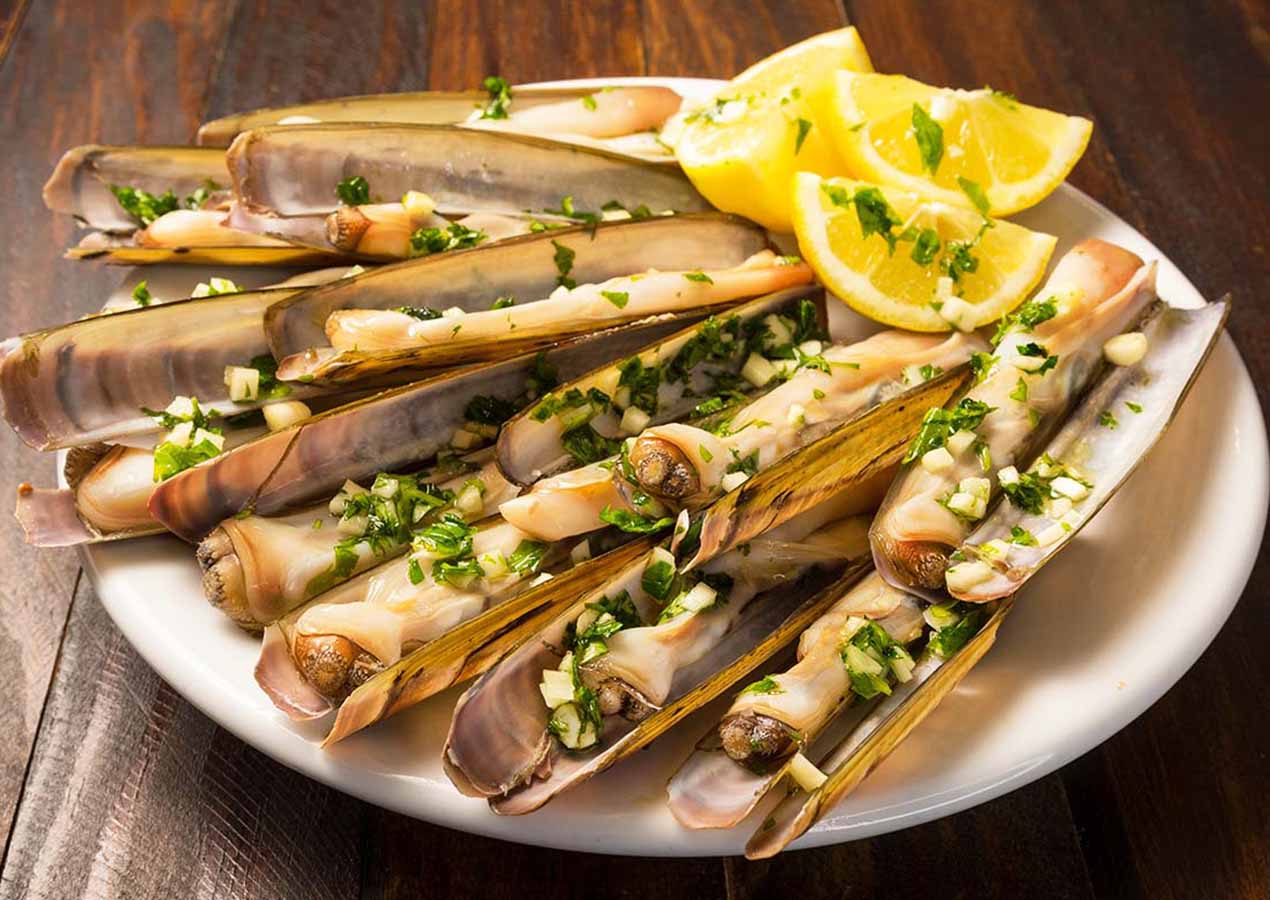
What might elsewhere be considered humble pantry fare is, in Galicia, elevated to an art form. Conservas, or preserved seafood, are one of the region’s most remarkable exports. Hand-packed with precision and seasoned with regional oils and spices, these tins contain treasures of the Atlantic—razor clams, mussels, octopus, sardines, and more.
Particularly worth seeking out are mussels in escabeche (marinated sauce), razor clams in olive oil, and squid in its own ink. The richness of these conservas lies not only in the ingredients but in the method. They are often prepared within hours of being caught, preserving both flavor and freshness. Brands such as La Brújula, Los Peperetes, and Ortiz uphold rigorous artisanal standards, making each tin a gourmet experience.
Packaged in elegant boxes with embossed gold lettering or maritime illustrations, conservas are perfect for gifting or for savoring long after the journey has ended. Their long shelf life means these flavors will linger in the pantry as fondly as they do in memory.
5. Tarta de Santiago: A Sacred Confection of Almonds and Tradition
Travelers with a sweet tooth will inevitably encounter the Tarta de Santiago, an almond cake bearing the cross of Saint James dusted in powdered sugar. Originating from the pilgrimage town of Santiago de Compostela, this dessert holds spiritual and culinary significance throughout Galicia, including Pontevedra.
Crafted with finely ground almonds, sugar, and eggs, its simplicity belies a rich, nutty flavor and a moist, dense crumb. No flour is used, making it naturally gluten-free and rich in protein—a recipe that has stood the test of centuries.
While many versions are mass-produced, artisanal bakeries in Pontevedra offer handmade renditions often accompanied by a certificate of origin. Wrapped in wax paper and boxed with the emblematic scallop shell of the Camino de Santiago, a Tarta de Santiago is more than a sweet treat—it is a relic of a spiritual journey, sweetened by the devotion of generations.
6. Handcrafted Ceramics and Sargadelos Porcelain: Color, Form, and Identity
Pontevedra’s artistic soul is also captured in its ceramics, especially the renowned Sargadelos porcelain, which combines traditional Galician motifs with modernist design. The distinctive cobalt blue patterns are inspired by Celtic symbols, marine life, and historical heraldry, rendered in symmetrical and often geometric forms.
Founded in the 19th century, the Sargadelos brand continues to thrive as a cultural institution. Items such as tableware, jewelry, and decorative figurines can be found in boutiques across the town. Their contemporary yet deeply rooted aesthetic makes them ideal for collectors and admirers of design.
In addition to porcelain, local potteries offer hand-thrown clay vessels glazed in earthy reds and greens, ideal for rustic cooking or display. Each piece is unique, signed by the artist, and often accompanied by a certificate that details its origin, technique, and story.
7. Galician Liqueurs: Distilled Essence of the Land

Beyond wine, Galicia offers a bold and flavorful array of traditional liqueurs that reflect its agrarian and monastic heritage. Orujo, a powerful pomace brandy, stands as the backbone of Galician spirits. Distilled from grape skins left over from winemaking, it is typically clear, though infused variations add character.
Particularly popular are licores de hierbas (herbal liqueurs), which glow bright green or yellow, their color derived from a blend of herbs such as fennel, mint, and lemon verbena. These are often consumed as digestifs and sometimes homemade by families using secret recipes passed down through generations.
Another favorite is Crema de Orujo, a creamy, smooth liqueur similar to Irish cream but with a distinctly Iberian twist. Bottles are often adorned with hand-drawn labels or wax seals, giving each one the appearance of an apothecary artifact.
These liqueurs are more than beverages—they are after-dinner rituals, preserved traditions, and flavor diaries of the region’s plant life and agricultural ingenuity.
8. Artisan Textiles: Threads of Heritage and Craft
The textile traditions of Galicia are quietly profound. In Pontevedra, one can find handwoven linens, wool scarves, and embroidered garments that speak of ancestral techniques and natural fibers. The use of flax and wool is especially prominent, with many products dyed using vegetable-based tints or left in their natural tones.
Shops nestled within the historic center of Pontevedra often sell manteis (tablecloths) and pañuelos (shawls) that feature regional embroidery styles—floral, geometric, or symbolic—executed with astonishing detail. These are not mass-market souvenirs, but heirloom-quality items meant to be used and cherished across generations.
Locally sourced wool garments, particularly capes and scarves, also make excellent travel mementos. Lightweight but warm, they are practical for wear in temperate climates and carry the scent and texture of rural Galicia.
9. Sea Salt and Smoked Paprika: A Pantry with Provenance
Culinary essentials in Galicia include pantry ingredients that deliver intense flavor with minimal effort. Chief among them is flor de sal, the delicate sea salt hand-harvested from Atlantic tidepools. Often sold in ceramic jars or cork-stoppered glass, this salt carries a crispness and mineral complexity that elevates any dish.
Equally essential is pimentón de la Vera, a smoked paprika that, while not exclusive to Galicia, is used liberally in regional cooking. Look for dulce (sweet) or picante (spicy) varieties, both of which lend an unmistakable warmth and color to stews, octopus dishes, and meat rubs.
When combined, Galician sea salt and pimentón become the silent heroes of many local recipes. Both are lightweight and easily transported, making them ideal additions to a travel pantry or gourmet gift box.
10. Galician Honey: Liquid Gold from the Hills
Wildflower-rich meadows and heather-covered hills produce some of Spain’s most exquisite honey, and Pontevedra serves as an excellent hub for sourcing it. Galician honey tends to be darker, more aromatic, and less processed than supermarket varieties. Whether derived from chestnut, eucalyptus, or multifloral blooms, each jar embodies the microclimate of its origin.
Available in rustic glass jars with hand-lettered labels, Galician honey offers a medicinal quality as well as a luxurious taste. Many local producers include small chunks of honeycomb, pollen, or propolis, reinforcing the authenticity and health benefits of the product.
Drizzled over cheese, stirred into tea, or spread on rustic bread, Galician honey becomes a simple but profound reminder of the region’s natural abundance and sustainable practices.
11. Walking Through Memory: The Journey Never Truly Ends
Even as the train departs from Pontevedra’s station or the car winds away from its coastal roads, the flavors, textures, and scents remain close. Each purchase made in this Galician town—a wedge of cheese, a bottle of liqueur, a ceramic dish—becomes an intimate archive of experience.
The act of choosing what to bring home transforms the tourist into a storyteller, someone who will later pass around tins of mussels and bottles of Albariño not just as delicacies, but as chapters from an unforgettable voyage. In the end, what is carried away from Pontevedra is not only what can be packed in a suitcase but what settles quietly into memory, flavor, and tradition.